
For the 10th edition of the City of Gdańsk Literary Award “European Poet of Freedom,” the jury has nominated six poets and their respective translators. Between late 2027 and early 2028, translations of the finalists’ collections will be published as part of the “European Poet of Freedom – Nominations” series, joining a collection of books that currently comprises 63 titles. The winners of this edition will be announced in the spring of 2028, during the European Poet of Freedom Festival.
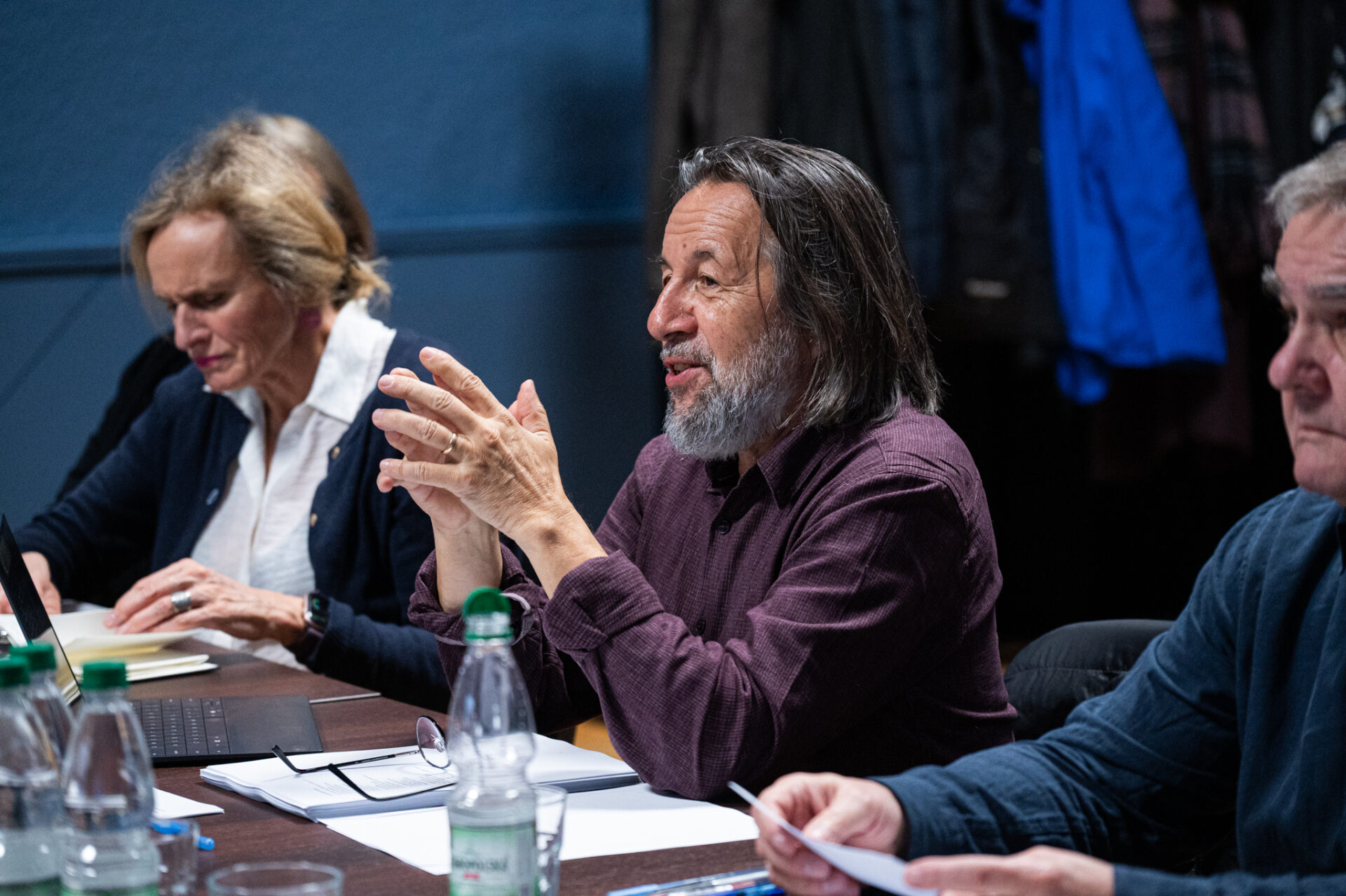
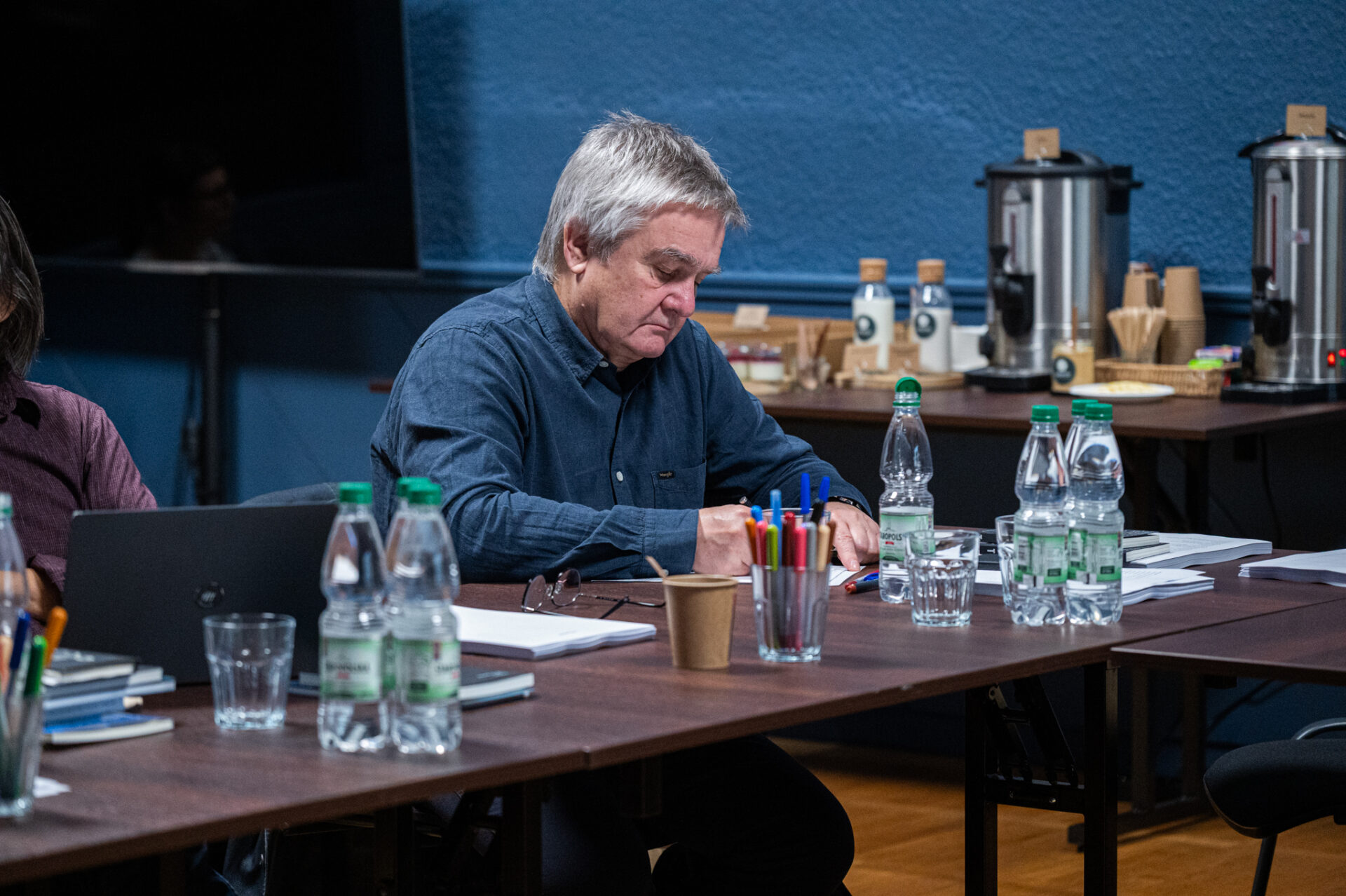
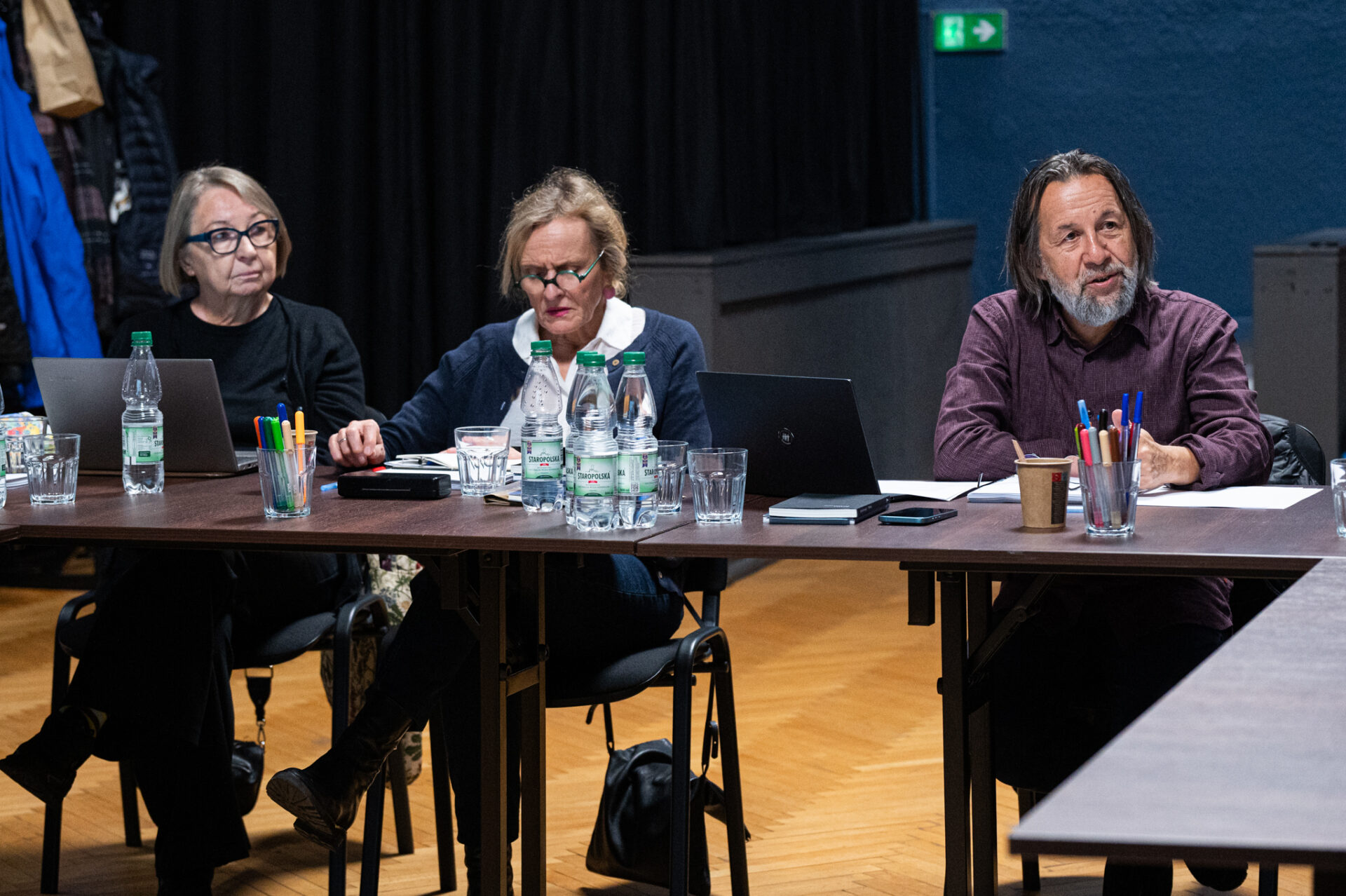
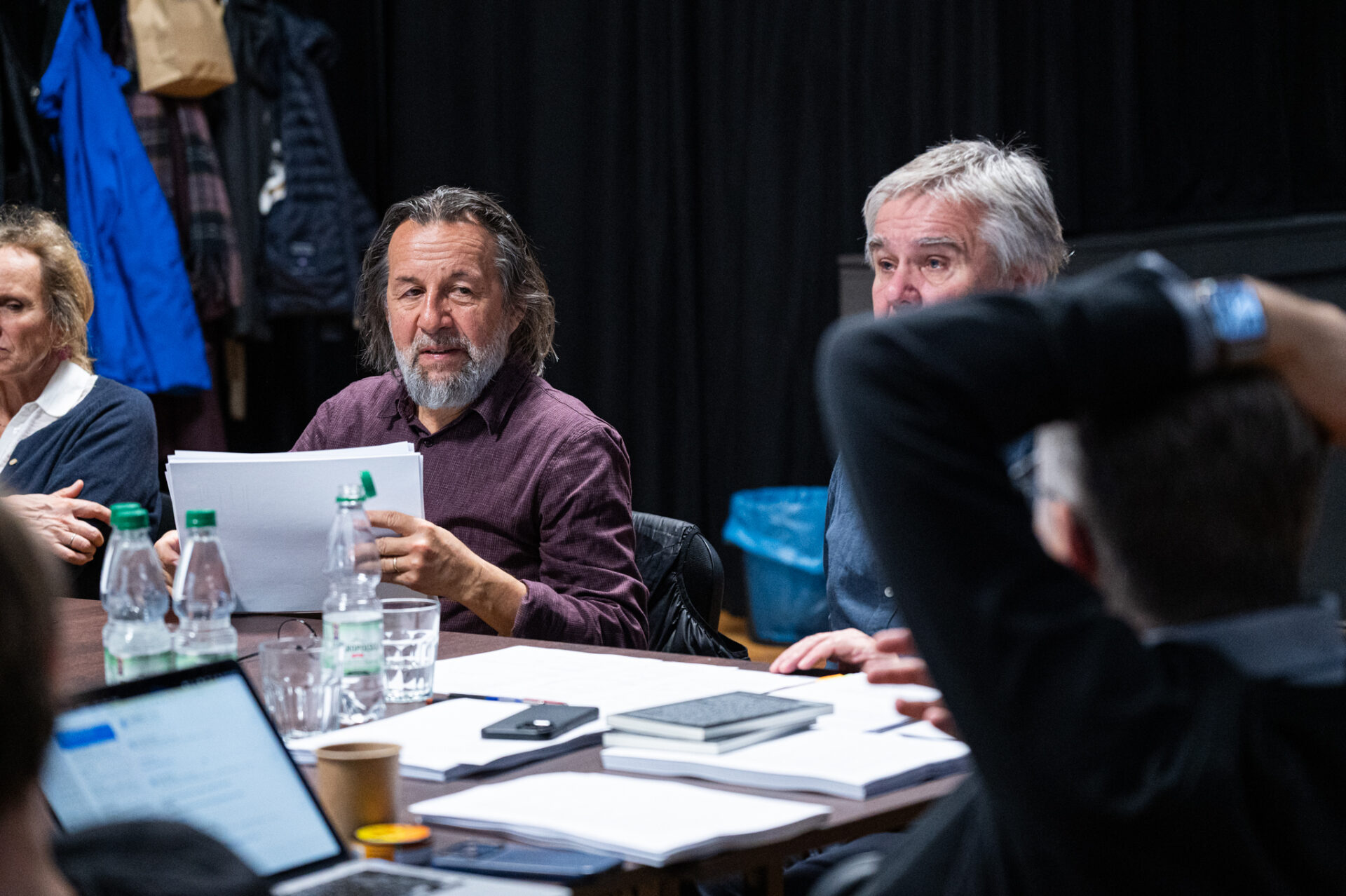
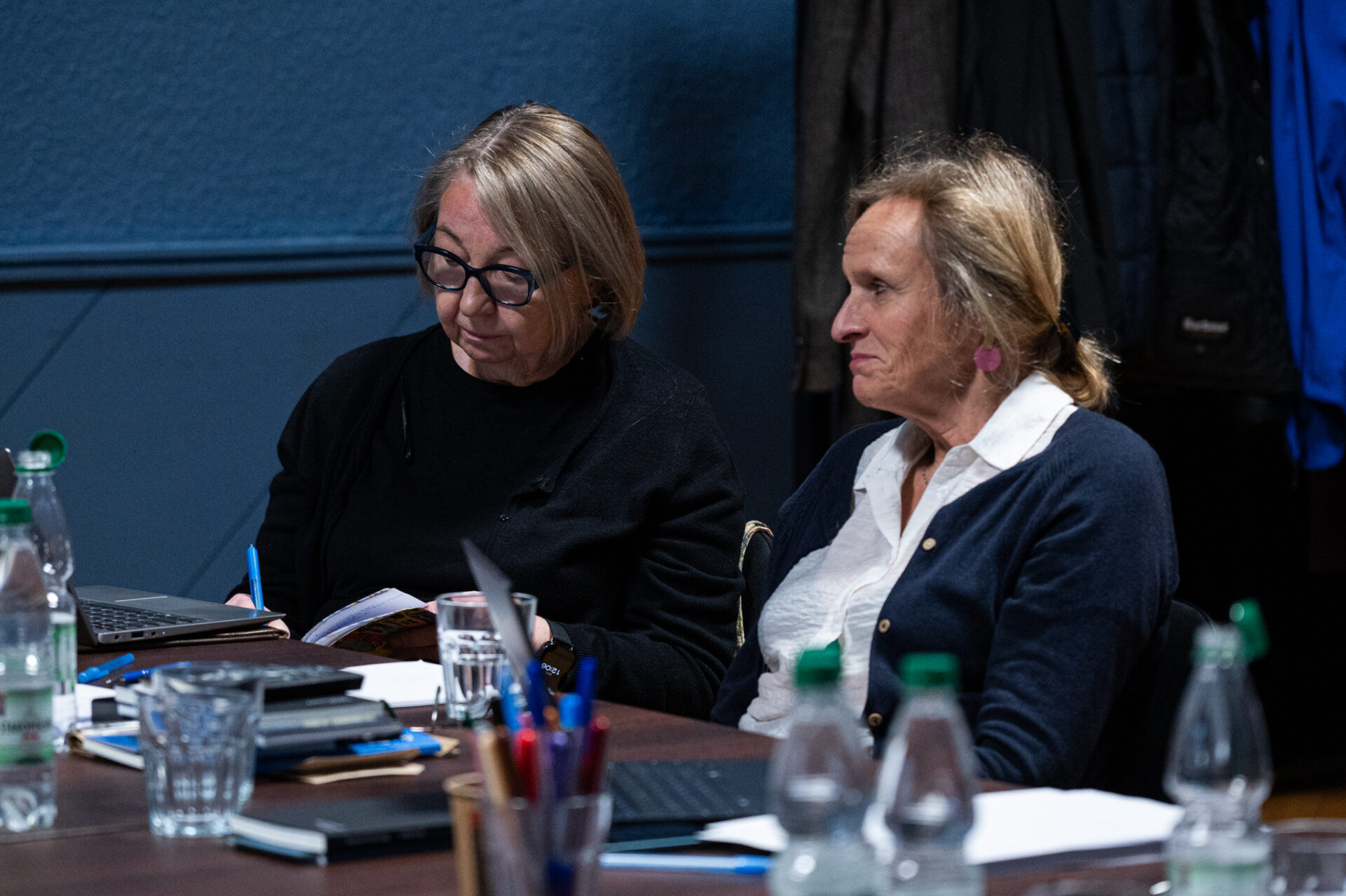
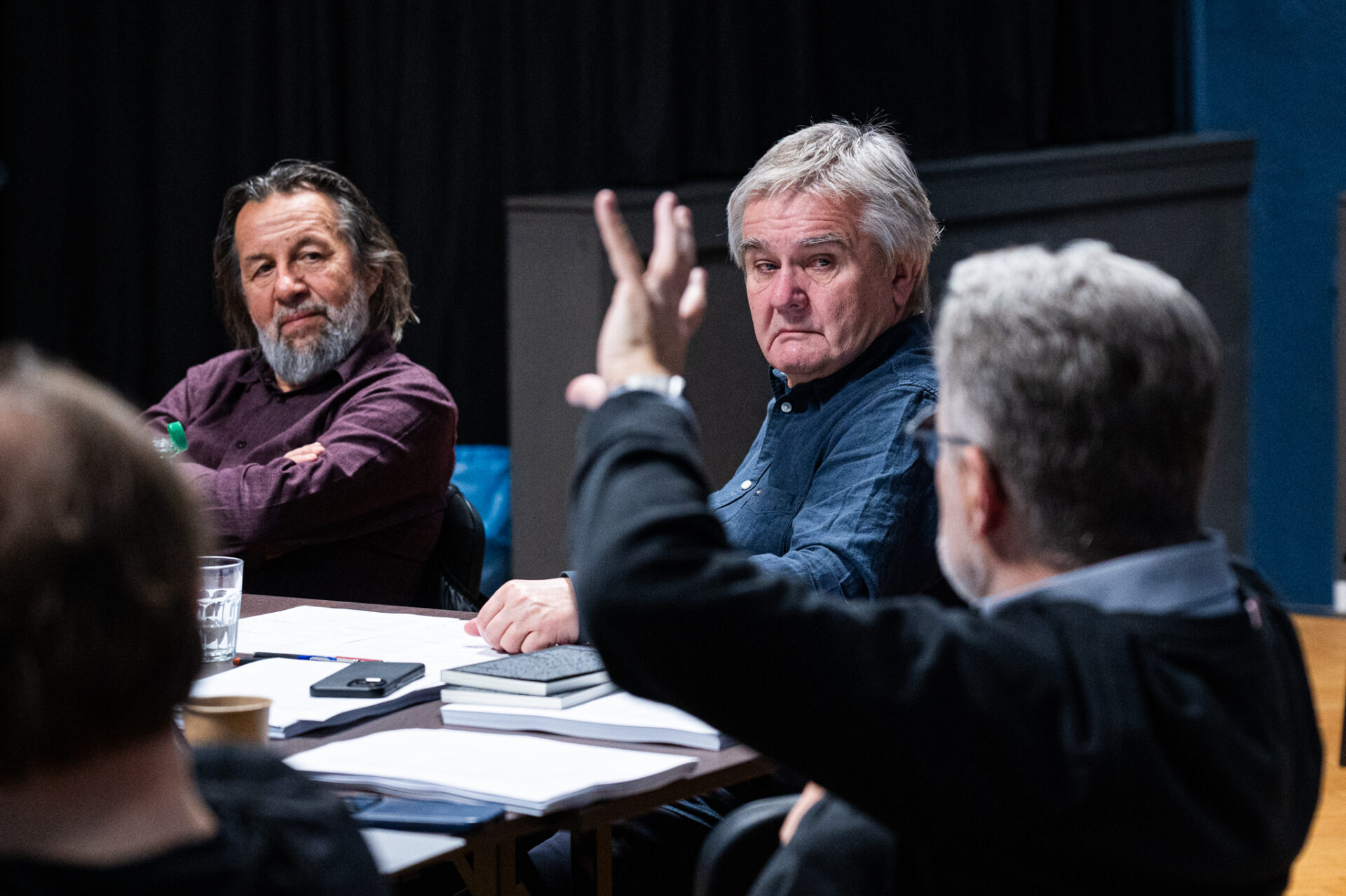
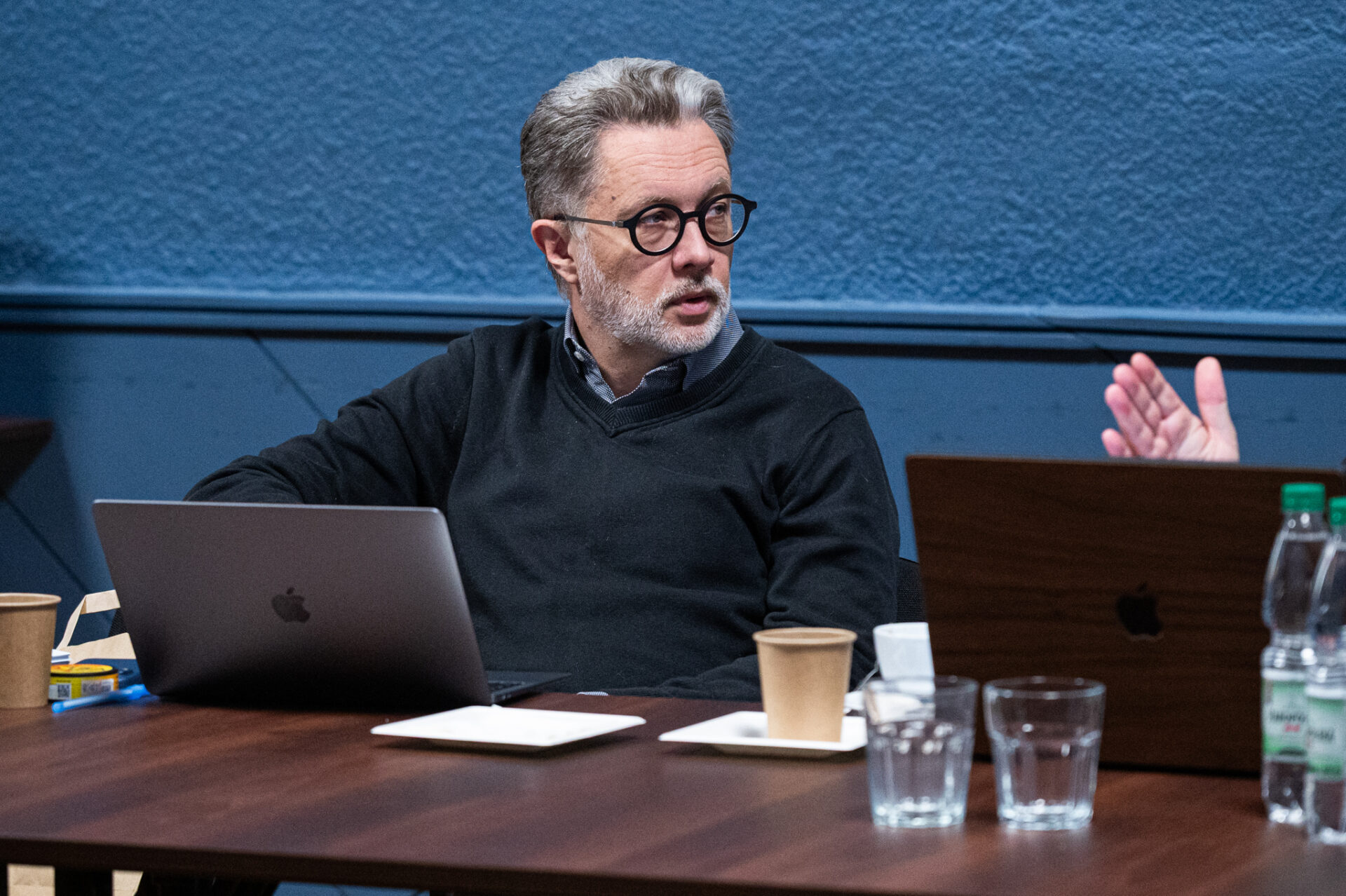
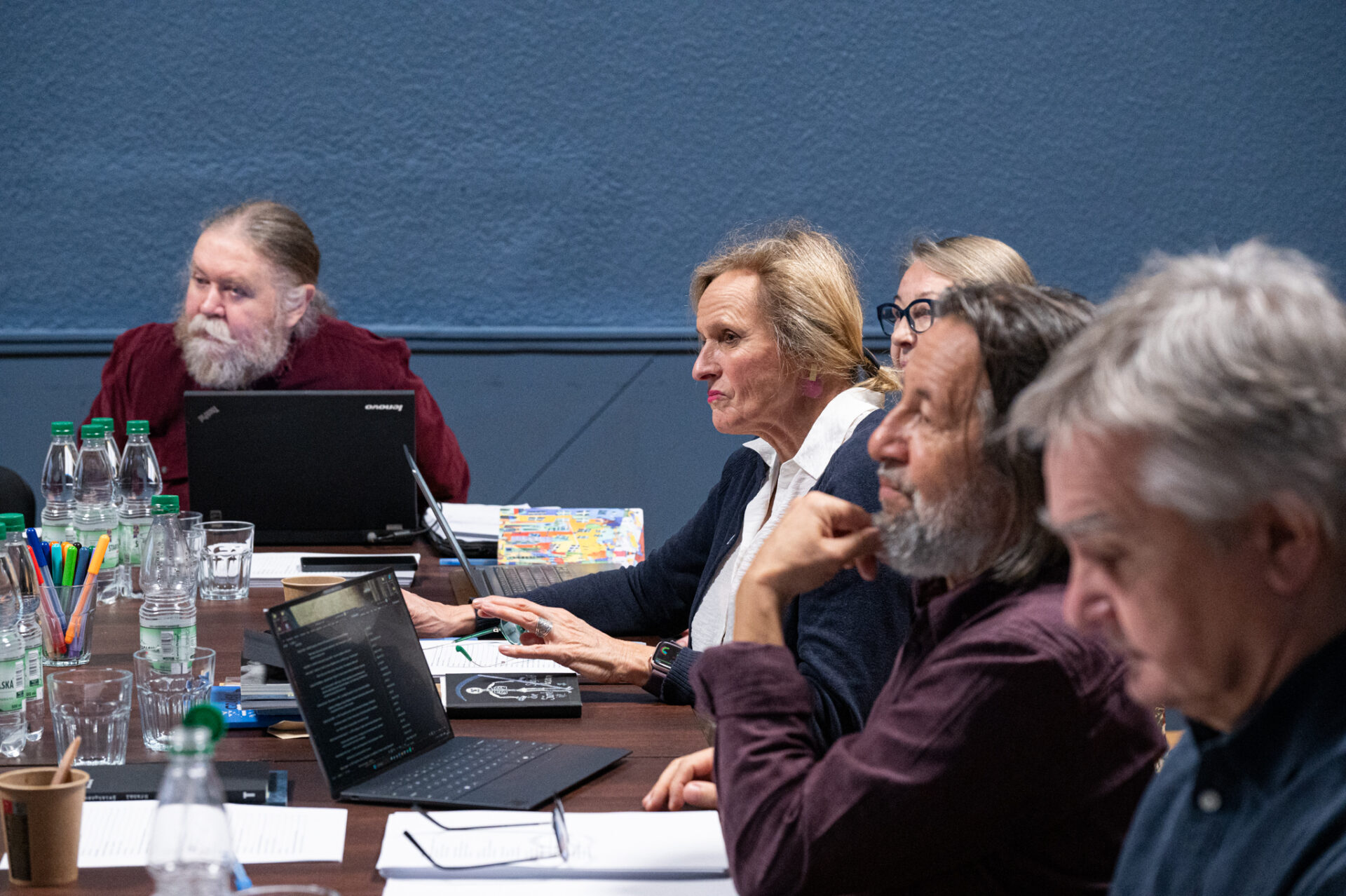
The jury met in Gdańsk on November 6, 2026. The jury consisted of Anna Czekanowicz, Krzysztof Czyżewski (chair), Andrzej Jagodziński (non-voting secretary), Cezary Łasiczka, Stanisław Rosiek, Anda Rottenberg, Michał Rusinek, Beata Stasińska, and Olga Tokarczuk.
The jury of the European Poet of Freedom Award has selected the following finalists for the current edition: poet Selma Asotić (Bosnian) with translators Paulina Janssen and Magdalena Koch; poet Linnea Axelsson (Swedish) with translator Anna Mroczek; poet Lina Ekdahl (Swedish) with translator Justyna Czechowska; poet Olvido García Valdés (Spanish – Castilian) with translator Marta Eloy Cichocka; and poet Margalit Matitiahu (Ladino) with translator Agnieszka August-Zarębska. poet Cristina Peri Rossi (Spanish – Castilian) and translators Małgorzata Kozek and Magdalena Szkwarek.
The jurors highlighted the exceptionally high quality of this year’s submissions. “This speaks to the good shape of the EPoF competition, as well as the quality of contemporary European poetry in general,” said Krzysztof Czyżewski. The chair of the jury emphasized the vital role that translators play in the context of this award. He also drew attention to the crucial, culture-shaping aspect of their work: “I am delighted that the finalists include authors who write in ‘small’ languages. It is a true treasure to have translators who enable us to engage with poetry created in languages that are rare—and often endangered.”
This edition features an unprecedented final lineup: for the first time in the competition’s history, all nominees are women. “The only criterion that matters to us as jurors is the quality of the poems that are being evaluated. These nominations demonstrate just how powerful the female voice is in contemporary European poetry. Today, it is women who are crafting the most mature, courageous, and empathetic poems,” Czyżewski remarked. He also noted a form of literary symbiosis—one not previously seen on this scale in the competition—as most of the nominated translators are themselves poets.
We would like to remind you that for the 2026–2028 cycle, we invited proposals focusing on the work of living poets writing in the following languages: Bosnian, Spanish (Castilian), Basque, Galician, Catalan, Ladino, Irish, Luxembourgish, Slovak, and Swedish. It is important to note that submissions are based on the language in which the poets write, rather than their national identity.
In total, we received twenty submissions from translators. By submitting a proposal, the translator commits – should the poet be nominated – to translating a volume of that poet’s work. It should be noted that the books published as part of the “European Poet of Freedom – Nominations” series may be either standalone volumes or anthologies; in the latter case, the translator is also responsible for selecting the poems.
The winning poet will receive a statuette and a cash prize of 100,000 PLN, while the translator or translators of the selected volume will receive a statuette and a cash prize of 20,000 PLN. The award ceremony will take place during the European Poet of Freedom Festival, organized by the Urban Culture Institute in the spring of 2028. Volumes by all nominated poets will be published between late 2027 and early 2028 as part of the European Poet of Freedom book series.
The European Poet of Freedom Award is funded by the City of Gdańsk. The award is organized by the Gdańsk House of Literature.
Photo by Kornelia Głowacka-Wolf
PROFILES AND CREATIVE BACKGROUNDS OF THE NOMINEES
Selma Asotić (Bosnian language) and translators Paulina Janssen, Magdalena Koch
Excerpt from the recommendation:
In her uncompromising poetry, Asotić presents a broad spectrum of contemporary issues. The symbolism highlighted in the title of her collection, “Reci vatra” (“Say Fire”), signifies not only destruction and the inferno of war but can also be interpreted as a striving for purification and transformation—a means of expressing intense emotions. It may also evoke a longing for a “hearth”—a sense of home found within language, relationships, or even memory, which seeks to preserve a world emerging from the aftermath of a catastrophe. Furthermore, fire and flame serve as metaphors for the sparks of rebellion and resistance, as well as a matrilineal heritage that empowers successive generations of women to speak with their own voices.
Selma Asotić (born 1992, Sarajevo) is a poet and translator from Bosnia and Herzegovina, currently residing in the United States. She studied English language and literature and comparative literature at the University of Sarajevo, and pursued a degree in creative writing (poetry) at Boston University. She is currently a doctoral candidate at the University of Massachusetts Amherst. She made her debut in 2022 with the poetry collection “Reci vatra” (“Say Fire”), which was published in Serbia that same year, with a German-language edition following in 2025. Asotić is a bilingual poet (writing in both Bosnian and English) who translated and adapted her own debut collection into English. Her poems and essays have appeared in journals such as Tinderbox Poetry Journal, Michigan Quarterly Review, Europe Now, The Well Review, and Calvert Journal. She is the recipient of two significant literary awards in the post-Yugoslav region: the Stjepan Gulin Award and the Štefica Cvek Award.
Paulina Janssen is a Slavic scholar, poet, and educator. She has authored articles on Polish and Croatian literature. In 2019, she earned her PhD in literary studies from Adam Mickiewicz University in Poznań. She has worked as an instructor of Polish as a foreign language at universities in Sarajevo and Ljubljana. She was a finalist for the 2023 “Połów” program for debut poets and the 2025 “Połów” program for debut prose writers. She also won second place in the Rafał Wojaczek Poetry Competition (2024). In 2025, she published her debut poetry collection, “Nocą wyją psy i alarmy przeciwlotnicze”. She is a member of the WSR poetry collective, with whom she participates in events promoting poetry. Her poems and translations have been published in outlets including *Zakład*, *Suburbia*, and *Pismo*. She translates both poetry and prose.
Magdalena Koch is a professor at the Institute of Slavic Philology at the Adam Mickiewicz University in Poznań, where she heads the Laboratory for Gender and Transcultural Balkan Studies; until 2011, she was affiliated with the University of Wrocław. Her research interests include the history of Serbian, Croatian, Bosnian, and Montenegrin literature, gender studies, Serbian feminist essays, contemporary drama from Serbia, Croatia, Bosnia and Herzegovina, and Montenegro, as well as Sephardic studies in the Balkans. She is the author of the monograph “Journeys in Time and Space: The Prose of Isidora Sekulić”, as well as “When We Mature as a Culture: The Work of Serbian Women Writers in the Early 20th Century (Canon – Genre – Gender)” and “Masters of Thought: The Serbian Feminist Essay (19th–21st Centuries)”—both published in Poland and Serbia. She is also a co-author of the monograph “Milena Pavlović Barilli: EX POST”, published in Belgrade. She translates prose, essays, poetry, and drama.
Linnea Axelsson (Swedish language) and translator Anna Mroczek
Excerpt from the recommendation:
The voice of Linnea Axelsson represents the Sámi, an indigenous minority in Sweden. Her poetry serves as a tool for this group to reclaim its own agency. Axelsson is the author of the acclaimed epic “Ædnan” (2018), which offers insight into the experience of racial examinations and measurements, forced relocations, the system of schools for nomadic children, and the gradual encroachment upon Sámi living space resulting from Swedish state policy. The poems collected in “Sjaunja” (2024) explore themes of identity—including the return to a lost language and the search for a place in the world—while carrying the intergenerational trauma of severed roots. Axelsson writes about the experience of being a woman and a mother forced to contend with the consequences of settler colonialism. She revisits Sámi mythology and redefines Sámi spirituality on her own terms. In her poems, nature emerges as a powerful force that has always been a constant companion to humanity.
Linnea Axelsson (born 1980, in Porjus, Norrbotten region) is a Swedish-Sámi writer, poet, academic author, and art historian. In 2009, she earned her PhD in art history from Umeå University. She made her literary debut with the novel “Tvillingsmycket” (2010). The author of the highly acclaimed monumental epic poem “Ædnan”—a work that earned her the “Svenska Dagbladet” literary prize and the prestigious August Prize—she is the recipient of numerous other awards and has held various literary fellowships. Her second novel, “Magnificat”, was published in 2022, followed by the poetry collection “Sjaunja” in 2024. That same year, the English edition of “Ædnan” was nominated for a National Book Award. In the autumn of 2026, her next epic, “Saivo”, was released. Her poetic work explores themes such as Sámi identity, memory, and heritage, as well as Sweden’s colonial history and the relationship between humanity and nature.
Anna Mroczek (born 1998) is a translator and a graduate of Swedish Studies and Speech Therapy from the Jagiellonian University. She participates in workshops on translating Swedish literature, organized by the Association of Literary Translators. In 2026, she made her debut with the short story “Stopnie pokonuję co dwa”, which won first place at the Festival of Short Forms and was included in the post-competition anthology. Between 2025 and 2026, she completed academic courses at Umeå University focusing on the history, culture, and rights of the Sámi people, as well as comparative studies on Indigenous peoples. In October 2026, she took part in the Young Baltic Translators Workshop in Karlskrona. Another of her short stories is set to be published in the winter of 2026/2027. She teaches Swedish and lives in Bochnia.
Lina Ekdahl (Swedish) and translator Justyna Czechowska
Excerpt from a recommendation:
Published in the spring of 2026, the poetry collection—or long poem—by Lina Ekdahl, titled “Hospitality Is What Matters Most”, draws attention to the presence or absence of a social willingness—the capacity or incapacity—to welcome a stranger, an “other,” or someone new. With a keen sense of humor, underscored by a note of desperate seriousness, the author defines the state of our contemporary era and our shared responsibility. “Hospitality Is What Matters Most” presents a portrait of the modern world—specifically today’s Europe—where, amidst the clash of cultures, guests are categorized by how welcome they are, and hosts are divided into those who remain generous and those exhausted by their own generosity. This complex, multilayered, and crowded situation is deliberately articulated in simple language—ostensibly accessible even to those who have just arrived. It would be well if politicians, too, could grasp it.
Lina Ekdahl (born 1964, Gothenburg) is a Swedish poet, playwright, and author of books for both children and adults, as well as a creator of libretti and radio documentaries. Her work has included serving as a mentor to young writers and immigrants. Ekdahl made her debut in 1994 with “Fram på dagen”, a collection of thoughts and associations rooted in domestic life—specifically within the home and the laundry room. Drawing on the simplicity of spoken language, the poet balances humor, irony, and the absurd, while thematically exploring the everyday—often in its most trivial forms. This combination has led to her work being compared to that of two great figures of Swedish poetry from the second half of the 20th century: Sonja Åkesson and Kristina Lugn. In her later work, Ekdahl frequently addresses political and social themes, putting Swedish ideals of freedom, equality, and justice to the test. Lina Ekdahl has received numerous accolades, including Swedish Radio Poetry Prize. Her poetry has been translated into several languages. “Hospitality Is What Matters Most”, published in the spring of 2026, is her tenth poetry collection.
Justyna Czechowska is a literary scholar, cultural promoter, and translator from Swedish and Norwegian, as well as an author of articles, anthologies, and interviews. She is a co-founder of the Literary Translators’ Association of Poland. In 2018, she received the Wisława Szymborska Award for her translation of Linn Hansén’s “Przejdź do historii”, and she has also been a scholarship recipient from the Selma Lagerlöf Society (Selma Lagerlöf-sällskapet). In 2023, the Swedish Academy honored her with an award for translators of Swedish literature. Since 2015, she has been involved in curating the program for the “Odnalezione w tłumaczeniu” festival. From 2021 to 2025, she served on the board of CEATL. She is a member of the Literary Union and serves as the Secretary General of the Polish PEN Club. Her body of translation work comprises around 50 titles, including novels, short stories, poetry collections and long-form poems, as well as works of reportage and a biography of Selma Lagerlôf.
Olvido García Valdés (Spanish – Castilian) and translator Marta Eloy Cichocka
Excerpt from the recommendation:
The poet’s body of work represents a persistent and courageous quest for linguistic freedom, achieved by rejecting established modes of expression, loosening syntax, and opening the poem to ambiguity, understatement, and discontinuity. Her poetry explores how far the boundaries of language can be pushed to approach that which has yet to be named: the intimate experience of the body, the subjective perception of the world, nature, memory, death, and the paradoxes of reality. In this sense, freedom is not merely a theme in her work, but a method of inquiry and a form of artistic practice. Olvido García Valdés expands the concept of freedom to include the freedom of perception: her poetry never imposes a single interpretation upon the reader, but instead leaves space for them to participate in the creation of meaning.
Olvido García Valdés (born 1950) is a Spanish poet, essayist, and translator, as well as a co-founder of several literary journals. Educated in philology and philosophy, she spent many years working as a professor of Spanish language and literature; she also served as the director of the Instituto Cervantes in Toulouse and as the Director General for Books and the Promotion of Reading at the Spanish Ministry of Culture. She currently resides in Toledo. She has published eight volumes of poetry, and in 2020, an extensive anthology of her work was released. Her poetic work—marked by an economy of language, remarkable precision of observation, intellectual depth, and a unique sensitivity toward nature and the experience of living things—defies straightforward classification or alignment with any specific school of poetry. Her verse is characterized by a tension between the clarity of expression and a multi-layered depth of meaning, which often reveals itself only upon subsequent readings. She is the recipient of numerous awards, including the Premio Iberoamericano de Poesía Pablo Neruda (2021) and the XXXI Premio Reina Sofía de Poesía Iberoamericana (2022). Her poetry has been translated into English, French, German, Polish, Portuguese, Romanian, Swedish, Italian, Arabic, and Chinese.
Marta Eloy Cichocka is a Polish poet, photographer, Hispanist, and Francophile, as well as a translator and a literary scholar. She has published ten books across six countries, including four collections combining poetry and photography, and two scholarly works on the poetics of the contemporary historical novel. Her own work has been translated into English, Arabic, Bengali, Belarusian, Chinese, French, Spanish, Russian, and Romanian; she, in turn, translates from Spanish and French, and occasionally from English. Her accolades include, among others, the first prize in the Halina Poświatowska Competition (2004), she is a recipient of the Antonio Machado Prize (2016), the Kraków UNESCO City of Literature Award (2021), and the Wisława Szymborska Award (2026) for the volume “ZURITA,” shared with Chilean poet Raúl Zurita. Since 2013, she has been the initiator and coordinator of the “MANUFAKTURA POEZJI” project—a series of translation workshops held in the presence of the authors—as well as “REPUBLICA POETICA,” a series of polyphonic poetry recitals.
Margalit Matitiahu (Ladino language) and translator Agnieszka August-Zarębska
Excerpt from a recommendation:
Matitiahu’s work in Ladino represents a unique expression of freedom—primarily because her decision to write in this language is a conscious and consistent choice. The poet turns toward the language of her Sephardic roots—a language threatened with extinction and lacking political or economic support—affirming its continued existence as a value independent of criteria such as utility, the number of speakers, or social prestige. In doing so, her writing becomes an act of freedom: the right to one’s own language, memory, and heritage, as well as an act of resistance against the disappearance of minority cultures and the resulting cultural homogenization of the world.
Margalit Matitiahu (b. 1935) is a Sephardic poet born in the Land of Israel into a family of Jewish immigrants from Thessaloniki. She grew up in a bilingual environment—speaking both Hebrew and Ladino—which became a defining element of her creative identity. While she published her first poetry collections in Hebrew, she turned to Judeo-Spanish (Ladino) in the mid-1980s, following the death of her mother. During this period, she traveled extensively, retracing the steps of her parents—Greek Jews who survived the Holocaust—and began searching for traces of both the ancient and more recent history of the Sephardic people. These cultural explorations resulted in further poetry collections, a volume of short stories, and films created in collaboration with her son, Jack Matitiahu. In Spain, the author is currently one of the most recognizable creators working in Ladino. She has frequently been invited to poetry festivals and events centered on Sephardic culture, and her contributions to the dialogue aimed at fostering reconciliation between the Sephardic people and Spain—their ancestral land, from which they were once expelled—have been widely acknowledged.
Agnieszka August-Zarębska is a Hispanist and literary scholar who serves as an assistant professor in the Tadeusz Taube Department of Jewish Studies at the University of Wrocław, where she teaches courses on the culture and literature of Sephardic Jews. She is the author of the scholarly monographs “Words of a Fading Language: Contemporary Ladino Poetry” and “Poetry Facing Reality: The Poetic Epiphanies of Jorge Guillén and Czesław Miłosz”. Her research focuses on contemporary Sephardic poetry written in Ladino, literary translations into that language, and children’s literature with Sephardic themes. She is also a co-editor of critical editions of early 20th-century Sephardic literary texts. A recipient of the FNP START scholarship and a Ministry of Science and Higher Education (MNiSW) grant for outstanding young researchers, she is also the author of the poetry collections “On Its Inner Side” (winner of the first prize in the Anna Świrszczyńska Competition and nominated for the Orpheus Award), “Gotan”, and “Transfuzje / Transfuzyones / Transfusiones”.
Cristina Peri Rossi (Spanish/Castilian) and translators Małgorzata Kozek and Magdalena Szkwarek
Excerpt from a recommendation:
Cristina Peri Rossi—a figure largely absent from the Polish poetic landscape—is one of the most distinct voices in contemporary Spanish-language literature. Her challenging life experiences have shaped her body of work, particularly her poetry, which centers on the theme of alienation—as a woman, a lesbian, a writer, a migrant, and a refugee. Her writing explores ways of coping with violence, a sense of otherness, systemic exclusion, homophobia, discrimination, and hatred, seeking refuge in words, literature, love, desire, and sex. Her texts represent a liberation from imposed social, cultural, and political norms.
Cristina Peri Rossi (born 1941, Montevideo) is a poet, novelist, essayist, and translator; she was a friend of Julio Cortázar—who dedicated poems to her—and is an admirer of Chopin’s music. She made her literary debut in 1963, and her body of work spans nearly every literary genre. Due to political repression, she was forced to emigrate from Uruguay in 1972. She eventually settled in Spain, where she continues to live and work today. She was the first woman to receive the Loewe Foundation Prize (2009). Her other accolades include the City of Barcelona Award (1982) and the José Donoso Prize (2019). In 2021, she was also honored with the Miguel de Cervantes Prize—the highest honor in the Spanish-language literary world, awarded for an author’s body of work and often referred to as the “Nobel Prize of the Hispanic cultural sphere.” Her texts have been translated into more than twenty languages.
Małgorzata Kozek – an English studies graduate. She has received recognition in prose competitions and participated in the “Peron Literacki” creative workshops. As a long-standing member of the “Chór w Ruchu” (Choir in Motion) collective, she takes part in artistic projects addressing social, cultural, and ecological themes, including “Poems by Vasyl Stus for Choir and Music” (2025) and “Languages from Water” (a project developed for the Polish Pavilion at the Venice Biennale, 2026). She is a co-author (with Magdalena Szkwarek) of the publication “Literary Map of the Włochy District” (2026) and a participant in the Latin American Book Discussion Club.
Magdalena Szkwarek – holds a PhD in the humanities and specializes in Latin American studies. She translated the first Polish-language selection of poems by Cristina Peri Rossi, titled “What Is Essential” (2024). She is the author of academic and popular-science articles, reviews, and interviews, as well as poetry. Her work has appeared in publications such as Czas Kultury, the quarterly Wyspa, the monthly Odra, and Miesięcznik Literacki Książki. She is the founder of the Latin American Book Discussion Club, which hosts monthly meetings centered on the literature of Latin America and the Caribbean. Author of the monograph “Jewish Motifs in the Work of Jorge Luis Borges” (2025) and the publication (co-authored with Małgorzata Kozek) “A Literary Map of the Włochy District” (2026).